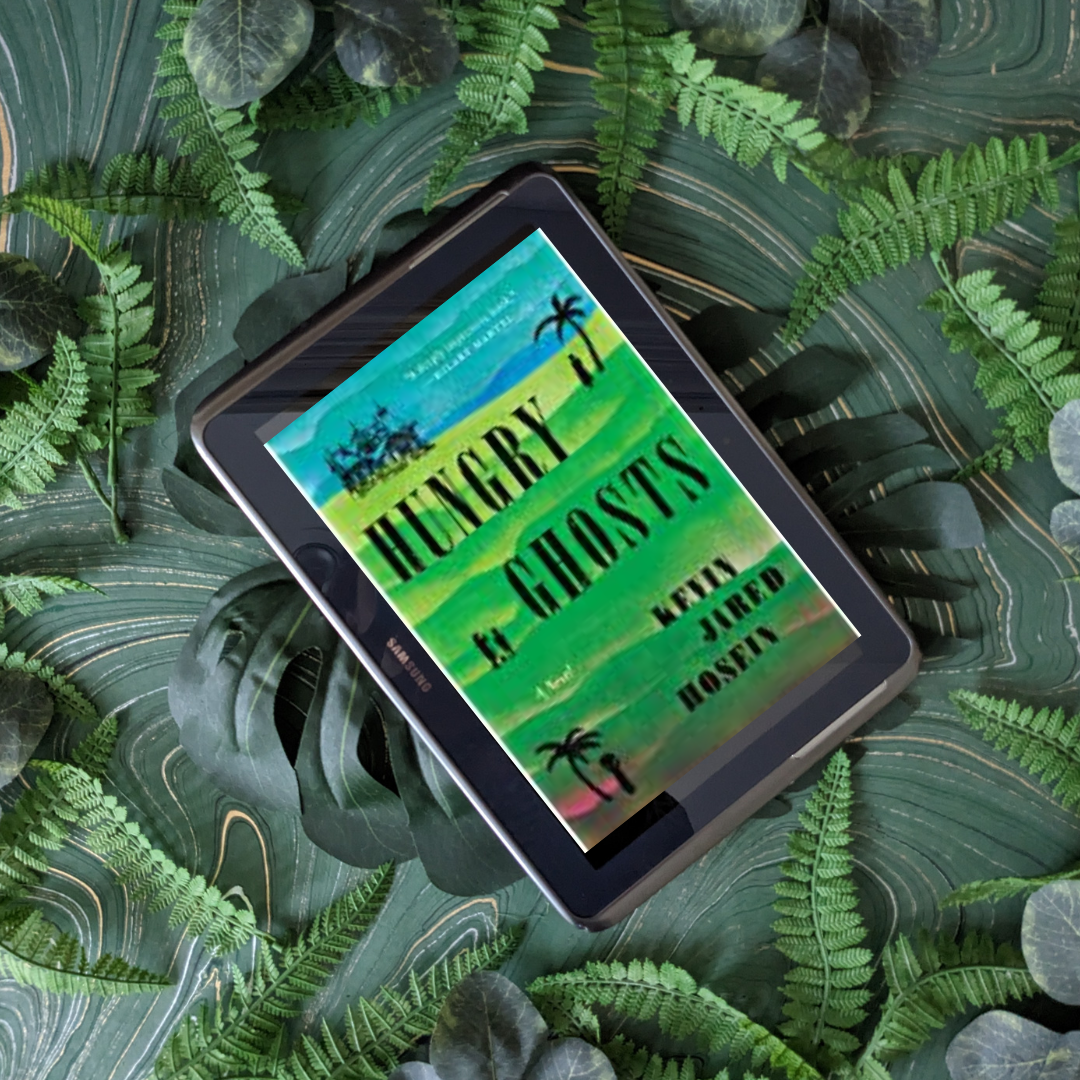
By Kevin Jared Hosein
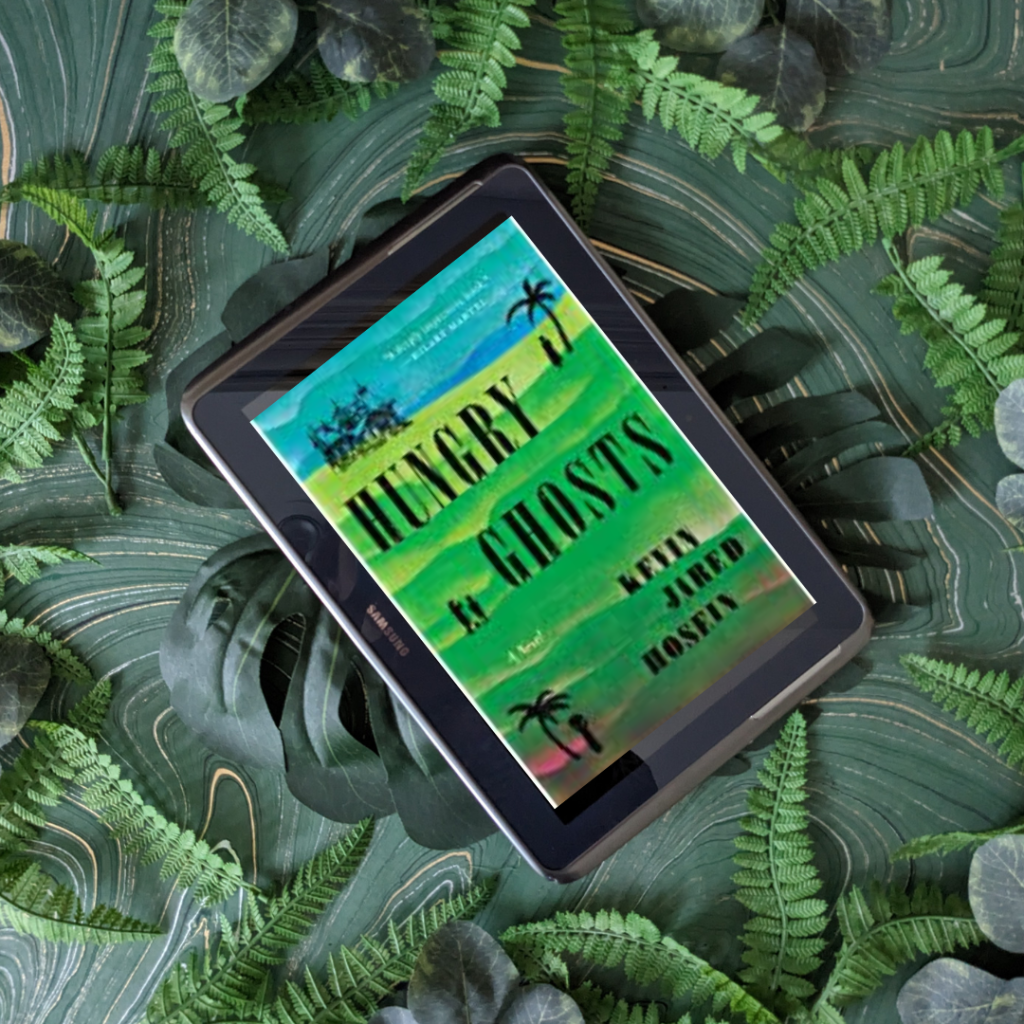
Overall: A tragic novel set in Trinidad in the 1940s, Hungry Ghosts introduces us to a small but complicated corner of the Caribbean. The reader meets the residents of a sugar cane barracks, once home to indentured servants on the nearby plantation but now home to entire impoverished families doing their best to get by. We meet Hansraj (Hans), his wife Shweta, and his adolescent son, Krishna, along with their neighbors, friends, and the people who live in the nearby village of Bell. When the owner of the plantation, Dalton Changoor, goes missing, his wife Marlee hires Hans to protect the property at night, which leads to a catastrophic sequence of events for the community. The book deals with economic injustice, racial, ethnic, and religious tensions (especially between Christians and Hindus), and the struggles of women, who had little opportunity to flourish independently in this time and place. Please be aware that there are graphic depictions of violence in this book (more info in the FYI section at the end).
Likes: these are memorable, individual characters with distinctive personalities and points of view. The elaborate descriptions of the settings bring them alive, whether the action is set in the dilapidated, overcrowded barracks, the eccentric spaces in the Changoor house, or the fields and rivers in between. The language is evocative and incorporates words and speech patterns from this time and place in a natural way. The author’s note describes his use of Trinidad’s oral tradition and stories from his own family in crafting this book, and there are lots of intimate, carefully observed details that evoke a time and place I haven’t often seen represented on the page.`
Dislikes: the disappearance of Dalton, the landowner, and the subsequent blackmail were not as mysterious or essential to the plot as I would have liked. I guessed the identity of the blackmailer almost immediately. And the language at times grew too florid for my taste, with sentences overloaded with multiple similes and metaphors. My larger dislike, however, had to do with the level of tragedy and violence in the book. Tragic incident piles atop tragic incident and the only thing that kept me from becoming inured to the intense sadness was the shock of the violence. The descriptions of horrific violent acts, especially violence against dogs, were so extreme and graphic that they diminished my ability to focus on the story.
FYI: Intense, graphic violence against adults, children, and animals. Murder. Death of an animal. Death of a child. Death of a parent. Sexual assault. Prostitution. Difficult pregnancy. Infidelity.
Thank you to the publisher and NetGalley for providing an advance reader copy in exchange for my honest review. All opinions are my own.
 Liz Helfrich