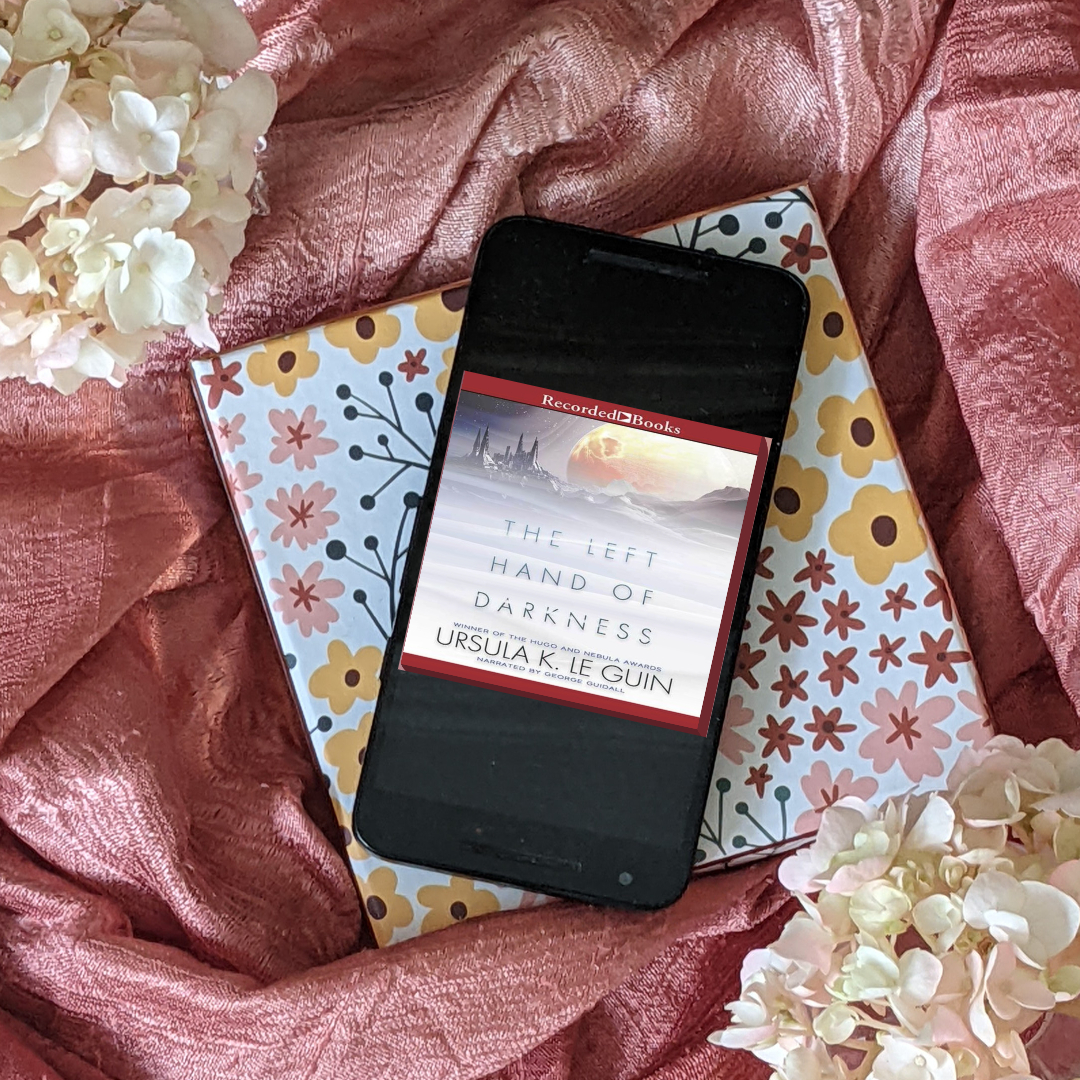
by Ursula K. Le Guin
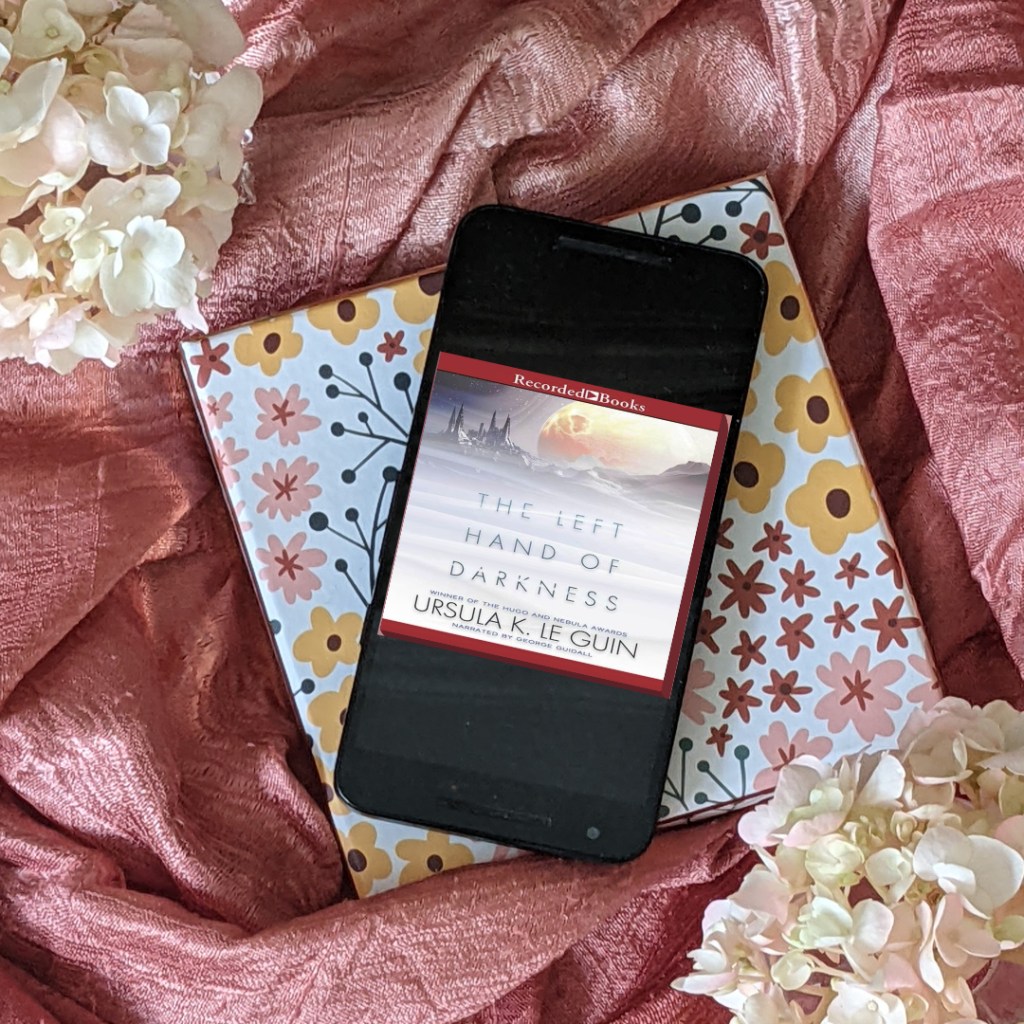
I felt guilty that I had never read anything by one of the grande dames of sci-fi, Ursula K. Le Guin. So, I picked up The Left Hand of Darkness, widely regarded as one of her best books. Published in 1969, it takes place in the distant future on a planet of near-perpetual winter called Gethen, where humanity has evolved (or been altered?) so that there are no longer male and female bodies. The people of Gethen become either physically male or physically female at certain times to reproduce, but they don’t control which they become and may become either at random. Narrated by Genli Ai, an off-worlder who has been sent from a federation of human-colonized planets called the Ekumen as an envoy to recruit the planet of Gethen as a new member, this book is largely a meditation on the relationship between gender, culture, social development, religion, and government.
Likes: The concept is intriguing and well-developed, especially given that this book was written over 50 years ago. The last half of the book, in which the narrator Genli Ai and his friend Estraven must escape captivity and travel across a frozen wasteland, made for compelling reading. My favorite part of the book was the introduction, where Le Guin provides a wonderful argument in favor of science fiction.
Dislikes: The first half of the book reads like a combination of an anthropology textbook and a travelogue. It is S-L-O-W to get moving! Some of this is the book showing its age, as the style – which involves interspersing “reports” from Ekumen investigators and folklore/mythological tales collected from Gethen – was common at the time (see the Dune series) but isn’t now. There are also some comments about women not being strong contributors in math or science and about women’s supposed nature that rubbed me the wrong way, but make sense as a cultural artifact of the late 60s.
Read it if you like far-distant future science fiction and have a lot of patience! I’m glad I read it, but my next sci-fi reads will be by more contemporary authors.
 Liz Helfrich